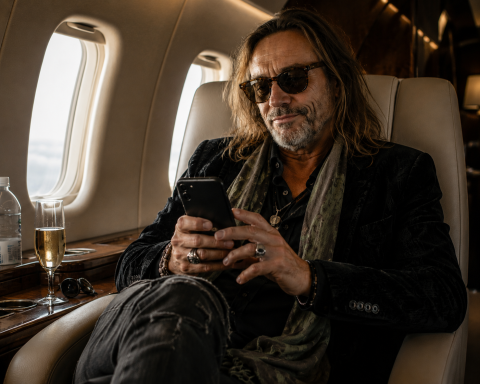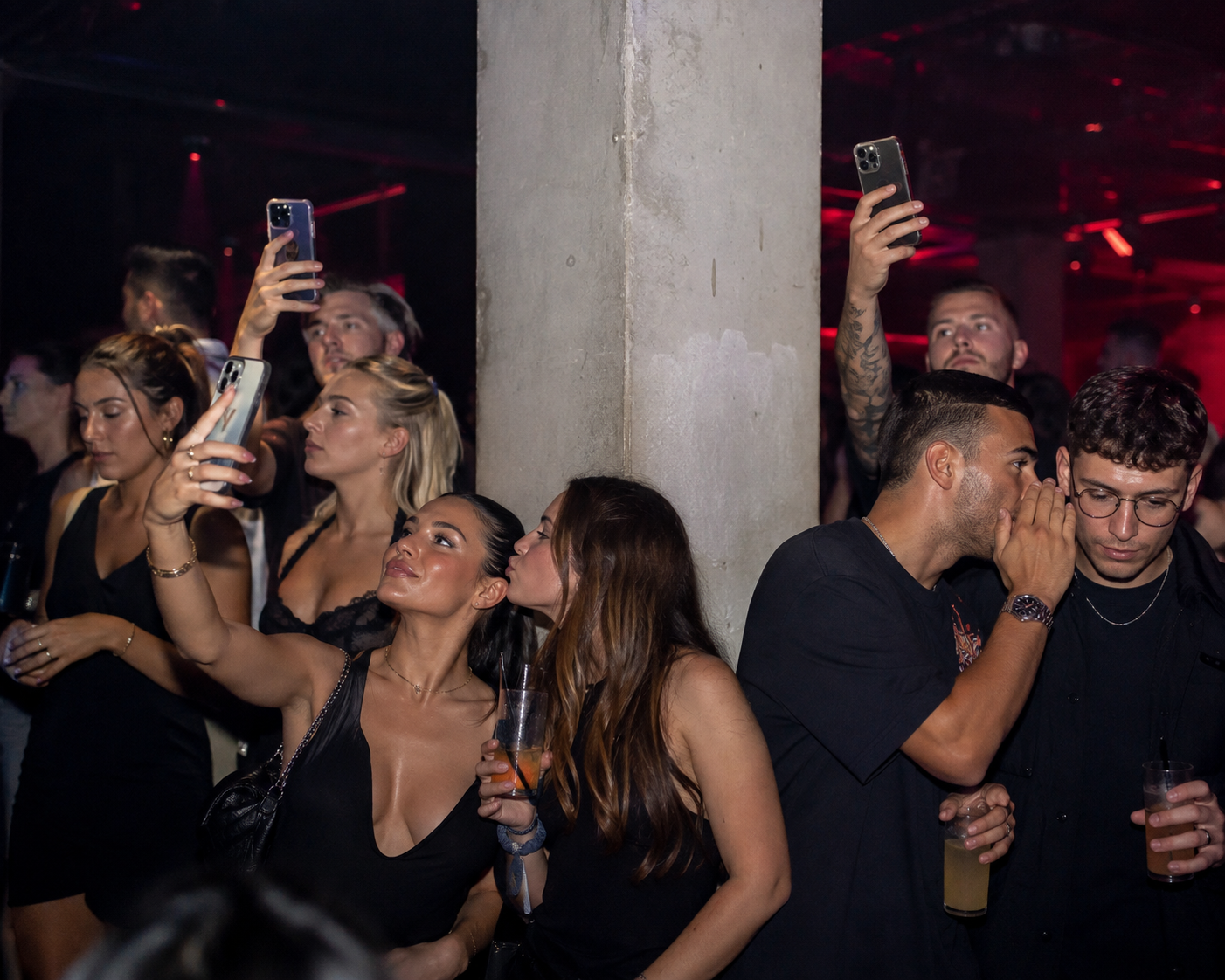
Clubbers have admitted they are afraid to dance badly in nightclubs in case it damages the personal brand they do not yet have.
The concern has become increasingly common among young people who attend dance music events but refuse to move their body beyond a controlled head nod, in case someone films them enjoying themselves and posts it online with a caption that ruins their imaginary media career – or worse, in case their own selfie vid comes out shaky.
“I’d love to let loose,” said one 24-year-old man with 612 Instagram followers whose own friends often don’t recognise him. “But what if someone sees me doing a weird shoulder thing and brands won’t work with me in the future?”
Experts say the fear has transformed nightclubs from spaces of escapism into poorly lit reputation-management hell-zones where everyone is technically dancing, but only in ways that are LinkedIn appropriate.
“People used to go clubbing to hide from the world and forget who they were,” said one nightlife analyst. “Now they go to be seen by the world and show everybody who they are”
Promoters have responded by introducing personal-brand-friendly side rooms, where clubbers can stand completely still, sweating is banned and ugly people must wear bells around their neck – all while everybody pretends they are having a deep connection with the music.
They will also be supplied with professional club photography of themselves “absolutely losing it,” despite moving less than the photographer’s watermark.
Anybody found dancing, sweating or not looking perfect will be given drugs and sent to a much better nightclub just down the road.